

Views: 0 Author: Site Editor Publish Time: 2026-11-13 Origin: Site


Standard medical equipment saves millions of lives globally every year. However, the very materials foundational to these life-saving interventions can sometimes introduce hidden risks to vulnerable individuals. One of the most critical issues in modern infusion therapy is chemical extraction in standard polyvinyl chloride tubing. Chemical softening agents are absolutely essential to make rigid plastics flexible enough for clinical applications. Yet, these additives are not permanently bound to the material. Under specific conditions, they escape the plastic matrix and enter the bloodstream directly through the intravenous fluid.
This technical guide breaks down exactly what causes this chemical extraction. We will examine the specific clinical triggers that accelerate the process and the severe toxicological risks associated with systemic exposure. Furthermore, we will explore actionable strategies for healthcare facilities to mitigate these hazards. By understanding the underlying polymer chemistry and upgrading to safer IV Set options, medical procurement teams can successfully eliminate this variable and ensure the highest standard of patient care.
Chemical Instability: Leaching occurs because chemical softening agents are merely physically mixed into the polymer matrix rather than being covalently bonded to it.
The Role of Lipids: Clinical procedures involving fat emulsions act as the leading accelerator of molecular shedding due to the fat-soluble nature of these chemicals.
Environmental Triggers: Aggressive pharmacological medications, elevated ambient temperatures, and prolonged infusion times significantly accelerate the rate of chemical extraction.
Toxicological Concerns: Unintended exposure introduces documented health risks, particularly concerning endocrine disruption in highly vulnerable demographics like neonates.
Material Solutions: Transitioning clinical inventories to advanced non-toxic alternatives is the most effective strategy to safeguard health and maintain therapeutic efficacy.
Recent supply chain data and healthcare regulatory updates reveal a massive transformation in medical device manufacturing. Major health systems worldwide are aggressively phasing out traditional plasticized tubing. This is not just a passing clinical preference. Strict environmental and health frameworks, such as the European Medical Device Regulation and California Proposition 65, now mandate rigorous scrutiny of endocrine-disrupting chemicals in medical consumables. Consequently, manufacturers are pivoting heavily toward advanced biocompatible polymers. Procurement teams prioritizing sustainable, compliant infusion equipment are staying ahead of compliance audits while drastically improving bedside safety.
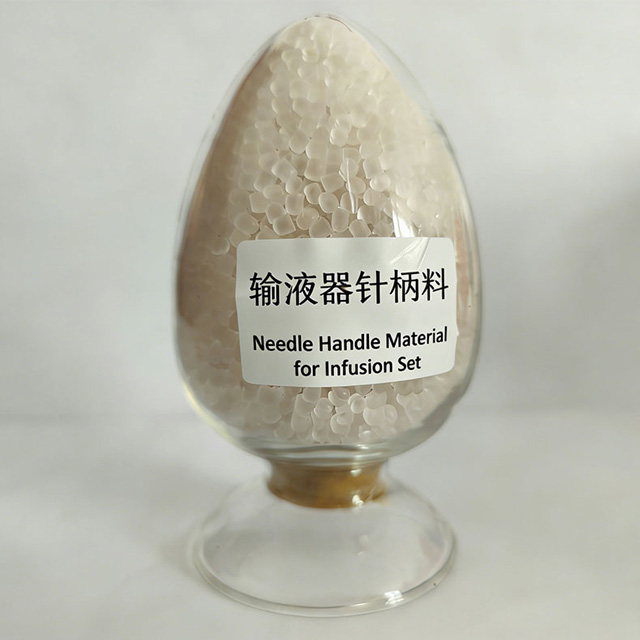
To comprehend why chemicals escape from medical tubing, we must first examine the fundamental manufacturing chemistry of standard infusion equipment. Polyvinyl chloride remains one of the most widely utilized plastics in the medical device sector. It offers exceptional cost-effectiveness, durability, and ease of sterilization. In its raw state, however, this material is an extremely rigid and brittle polymer. Manufacturers must blend the raw polymer with specific chemical additives to transform this hard plastic into a pliable, kink-resistant conduit. The most historically prevalent softening agent used in the medical industry is Di-2-ethylhexyl phthalate, universally referred to as DEHP. In certain standard intravenous lines, this additive can account for up to 40 percent of the tubing weight.
The core issue lies in the mechanics of molecular movement. During the extrusion process, these softening agents are merely blended into the polymer network. They sit in the interstitial spaces between the molecules, acting as a molecular lubricant. They never form covalent chemical bonds with the plastic chains. Because of this relatively loose physical connection, the chemical molecules remain highly mobile. When a fluid passes through the tubing, it acts as an extraction medium. The unbonded chemical additives are pulled out of the plastic walls and carried directly into the solution. Recognizing the inevitability of Plasticizer Leaching is the vital first step for hospital procurement officers aiming to minimize iatrogenic risks.
Chemical shedding does not occur at a constant, uniform rate across all clinical scenarios. The extraction process is highly variable. Specific environmental factors, fluid properties, and bedside practices act as powerful catalysts. These triggers cause the chemicals to break away from the plastic matrix at highly accelerated rates.
The molecular structure of traditional softening agents makes them exceptionally lipophilic. They possess a strong affinity for fats and oils. When standard tubing is utilized to administer lipid-based solutions, the plasticizer dissolves directly and rapidly into the fat content of the fluid. This chemical affinity creates a highly efficient extraction environment, pulling the chemicals out of the plastic walls at an alarming rate. Therefore, Lipid Contact is universally recognized as the most severe catalyst for chemical shedding in a clinical setting.
Beyond nutritional lipids, specific pharmacological formulations actively promote chemical extraction. Many life-saving, poorly water-soluble drugs require aggressive solvents or surfactants to remain stable in a liquid state. Medications such as Paclitaxel for oncology patients or the anesthetic Propofol contain carrier solvents that act as chemical stripping agents. These aggressive compounds penetrate the surface of the tubing and actively dislodge the softening molecules.
Thermodynamics plays a crucial role in the stability of medical polymers. Higher temperatures inherently increase the kinetic energy within the plastic matrix. Elevated ambient heat in a busy intensive care unit or the intentional use of fluid warmers causes the polymer chains to expand slightly. This subtle thermal expansion creates larger microscopic pathways for the unbound molecules to escape into the fluid pathway.
The fundamental principles of diffusion dictate that longer contact times lead to higher concentrations of extracted chemicals. When an infusion pump is set to a very slow flow rate, the therapeutic fluid spends significantly more time resting against the interior walls of the tubing. This extended residency allows the chemical equilibrium to shift. The result is a much higher cumulative concentration of leached substances delivered to the patient over the course of a shift.
The primary concern surrounding this material instability is the toxicological impact on human biology. Extensive scientific research and empirical data have definitively established that DEHP and similar phthalates are not inert substances within the human body. They are classified as known endocrine-disrupting chemicals. Once introduced systemically, they interfere with the natural hormonal production, regulation, and receptor functions of the body.
A healthy adult liver might metabolize and excrete trace amounts of these chemicals with minimal immediate harm. However, the risk profile shifts dramatically for vulnerable populations. Premature infants in the neonatal intensive care unit are at the absolute highest risk. Due to their exceptionally low body weight and underdeveloped hepatic clearance systems, they receive staggering cumulative doses of leached chemicals. Similarly, unintended Patient Exposure poses severe threats to pregnant women, developing fetuses, and individuals undergoing long-term chronic treatments like frequent chemotherapy.
The instability of traditional tubing presents a secondary clinical challenge that strikes at the heart of therapeutic care. It actively alters medication efficacy. While it is widely understood that toxic chemicals leach out of the tubing and into the fluid, the exact same chemical environment causes active pharmaceutical ingredients to stick to the interior walls of the tube. Medical engineers refer to this counter-process as adsorption.
The internal surface of plasticized tubing is chemically active, porous, and lipophilic. Certain drugs bind to the plastic rather than flowing seamlessly through the catheter to the patient. Common, life-saving medications highly susceptible to adsorption include insulin, nitroglycerin, and various potent sedatives. This creates a dangerous dual-threat scenario at the bedside. The patient is simultaneously subjected to toxicological risks from incoming chemicals while receiving a significantly sub-therapeutic dose of their prescribed medication.
Reduced dosage delivery leads to inadequate pain management, poor glycemic control, or ineffective cardiovascular support. From an operational perspective, the financial burden on healthcare systems is substantial. Expensive pharmaceutical compounds, particularly targeted oncology drugs, are effectively wasted as they remain trapped within the disposable tubing matrix.
Mitigating the risks associated with chemical shedding requires a multifaceted approach. Bedside interventions include flushing lines promptly and strictly controlling the temperature of the fluids. While careful temperature management and optimized flow rates can slow down the rate of extraction, they cannot defy the fundamental laws of chemistry. As long as traditional plasticized tubing is utilized for solvent-heavy infusions, some degree of chemical shedding is an unavoidable physical reality.
The most effective prevention strategy must occur at the procurement level. By updating purchasing guidelines to restrict the procurement of outdated consumables for high-risk applications, healthcare networks can proactively remove the source of the problem. Modern medical device manufacturers offer advanced alternatives designed specifically to eliminate these risks.
Material Composition |
Leaching Risk |
Drug Adsorption |
Recommended Clinical Application |
|---|---|---|---|
Standard Plasticized Polymer |
High |
High |
Basic hydration and standard saline only. |
DEHP-Free Alternatives |
Low |
Moderate |
General medication delivery and bridge solutions. |
Non-PVC Polyethylene or Polyurethane |
Zero |
Zero |
Oncology, Lipid emulsions, Neonatal care, and specialized biologics. |
When evaluating new inventory, procurement teams should look for specific engineering parameters. Premium infusion sets often feature multi-layer co-extrusion technology. The inner layer contacting the fluid is typically manufactured from highly inert polyethylene. This ensures absolutely zero chemical Migration and prevents drug adsorption. The outer layer utilizes flexible, non-toxic materials to maintain kink resistance and ease of handling for the nursing staff. Products featuring precise flow regulators, transparent drip chambers, and non-adsorptive fluid paths guarantee that the exact prescribed dosage reaches the patient safely.
The phenomenon of chemical extraction in medical tubing is a documented, unavoidable chemical reality driven by the fundamental properties of standard materials. Lipid contact, aggressive pharmaceutical solvents, elevated temperatures, and prolonged infusion times actively break the weak physical bonds holding softening agents within the plastic matrix.
Protecting vulnerable patient populations from unnecessary chemical exposure must remain a paramount priority in modern healthcare operations. While rigorous clinical protocols and bedside vigilance can mitigate the severity of the issue, true prevention requires a steadfast commitment to superior material science and proactive purchasing.
By proactively evaluating current medical consumables and partnering with trusted manufacturers, healthcare facilities can source safe, compliant, and highly effective infusion solutions. Do not wait for regulatory mandates to force a change. Audit your infusion supplies today. For facilities ready to upgrade their clinical inventory, exploring medical-grade, DEHP-free, and non-PVC solutions at Kegfz ensures compliance, optimal therapeutic delivery, and uncompromising patient safety.
The primary cause is the fundamental lack of a covalent chemical bond between the rigid polymer and the chemical softening agent. Because the softening agents are only physically mixed into the plastic, they easily detach. This inherent material instability is severely accelerated by fat emulsions, high ambient temperatures, and certain aggressive drug solvents that actively pull the chemicals from the tubing walls.
Yes, it is highly dangerous, especially for vulnerable demographic groups. Extensive toxicological research classifies these specific softening agents as endocrine-disrupting chemicals. Systemic exposure can cause severe reproductive toxicity, liver damage, and developmental issues in premature infants. Many leading global hospitals are actively moving away from these outdated medical devices to protect patient well-being.
The most effective and definitive way to stop chemical migration is to change the material composition of the tubing itself. Healthcare facilities should switch to advanced IV sets that use stable, heavy-weight alternative plasticizers. An even better approach is to utilize completely non-toxic materials like polyethylene or polyurethane, which require no plasticizing chemicals at all to maintain flexibility.
No, not all therapeutic fluids trigger this chemical reaction. Simple, water-based aqueous solutions, such as standard normal saline or basic dextrose, cause very little to no leaching because the softening additives are inherently water-repelling. The extraction process is primarily triggered by fat-soluble liquids and solvent-heavy medications that actively dissolve the chemicals.
Yes, regulatory scrutiny is intensifying globally. The European Medical Device Regulation imposes strict justification requirements for using endocrine-disrupting chemicals in medical devices. In the United States, California Proposition 65 lists these specific additives as known reproductive toxicants, requiring clear warning labels. These stringent frameworks are driving hospitals to mandate safer, compliant alternatives in their procurement contracts.
You can identify the material composition by checking the product packaging or the manufacturer specifications. Devices containing traditional softening agents are often marked with a warning symbol or explicitly state the presence of DEHP. Conversely, upgraded, safe infusion products will prominently display labels such as DEHP-Free, Non-PVC, or PVC-Free on the sterile packaging.
You can source high-quality, safe, and fully compliant infusion sets directly from trusted medical device manufacturers. By partnering with dedicated suppliers who specialize in advanced infusion therapy products, your facility can easily acquire multi-layer, non-adsorptive alternatives to ensure optimal therapeutic delivery.


