

Views: 0 Author: Site Editor Publish Time: 2026-11-24 Origin: Site


Polyvinyl Chloride, widely known as PVC, is a foundational material in modern manufacturing. It forms the backbone of countless global industries. You will find it in everything from robust construction piping to delicate healthcare tubing. However, producing durable plastic products presents a massive chemical challenge. The raw polymer is inherently unstable when exposed to the extreme heat required for industrial processing.
Recent industry analyses highlight a critical evolution in polymer manufacturing. Global construction and medical sectors now demand high-performance, sustainable plastics. Consequently, the focus on optimizing formulations has never been sharper. Manufacturers face immense pressure to increase output speeds while strictly adhering to new environmental regulations. We are seeing a massive market shift toward non-toxic, heavy-metal-free production lines.
During a standard extrusion run, the raw material undergoes intense heating and severe mechanical shear. Without a specific protective additive, the raw compound would rapidly burn, discolor, and structurally fail. It would degrade long before it could ever be formed into a functional pipe or medical tube. This is exactly where stabilizing agents enter the equation. They are mandatory, non-negotiable chemical additives that make commercial extrusion possible. This guide explores the underlying science of polymer breakdown, examines how these additives function at a molecular level, and explains how selecting the correct formulation directly impacts your factory floor efficiency.
Degradation Prevention: Heated raw plastic naturally releases toxic and corrosive hydrogen chloride gas. Specialized additives actively halt this destructive chemical unzipping process.
Expanded Operational Flexibility: The correct additive formulation provides a wider processing margin. This allows for smoother, faster extrusion without the constant risk of burning your material.
Superior Aesthetic Retention: High-quality chemical agents prevent unwanted yellowing and browning. They ensure excellent visual consistency for the finished consumer product.
Equipment Protection: By neutralizing acidic byproducts, these essential additives protect expensive extrusion machinery from severe rust, pitting, and long-term corrosion.
Application-Specific Choices: Selecting the optimal formulation depends entirely on your specific compound recipe and the rigorous demands of your end-product.
To fully grasp why a protective additive is universally required, we must first look at the inherent chemical weaknesses of the polymer itself. The finished plastic is incredibly durable. Yet, its journey through the manufacturing line is fraught with molecular instability.
When raw material reaches standard industrial processing temperatures, typically between 160 degrees and 210 degrees Celsius, the long polymer chains experience severe thermal stress. This initial breakdown triggers a dangerous autocatalytic reaction. The intense heat causes the material to release hydrogen chloride gas directly from its molecular structure.
Once released into the polymer matrix, this gas does not simply vanish. Instead, it acts as an aggressive catalyst. It speeds up further chemical breakdown in a rapid, cascading chain reaction. Polymer chemists refer to this as the unzipping effect. If this unzipping process is not immediately halted, the polymer loses its structural integrity entirely.
Furthermore, the industrial extrusion process relies on much more than just external heat applied to the barrel. It involves immense internal friction, known as shear stress. Think of the extruder barrel as a high-pressure cooker. The rotating steel screw forcefully pushes the highly viscous melt through confined spaces. This generates intense mechanical friction.
This specific combination of elevated temperatures and intense internal friction creates an incredibly harsh processing environment. Without chemical intervention, this aggressive environment rapidly accelerates Thermal Degradation. The immediate result is material failure and hard carbonization within your machine.
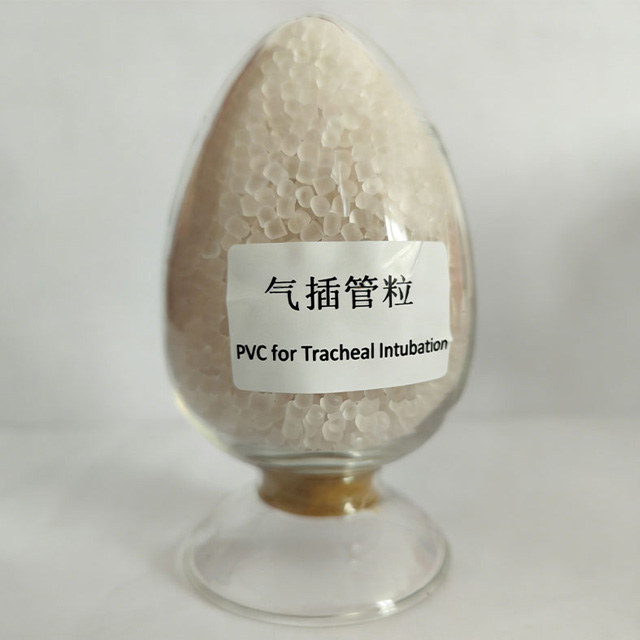
A stabilizing agent is a specialized chemical additive meticulously designed to protect the polymer matrix. Its primary function is to intervene at the molecular level. It acts as a microscopic shield for the vulnerable plastic during high-temperature processing.
At its absolute core, the additive functions as a highly efficient acid scavenger. As the compound begins to heat up inside the extruder, it releases trace amounts of acidic gas. The stabilizer immediately reacts with it. By chemically neutralizing the HCl before it can act as a destructive catalyst, the additive effectively breaks the dangerous unzipping chain reaction. This neutralization process is your primary defense mechanism.
Advanced formulations go a step further than simple neutralization. They actively identify and replace weak, unstable chlorine atoms located along the polymer chain. They swap these weak links with stronger, vastly more stable chemical groups. This proactive chemical substitution stops degradation before it even has the opportunity to begin.
Performance Metric | Without Stabilizing Agent | With Premium Stabilizing Agent |
|---|---|---|
Melt Flow Consistency | Highly erratic, prone to pressure spikes | Smooth, predictable, uniform output |
Equipment Impact | Severe acid corrosion on screws and dies | Machinery protected from acidic pitting |
Visual Output | Rapid yellowing, browning, and black streaks | Excellent clarity and intended color retention |
Scrap Rate | Extremely high due to burnt material | Minimal to zero thermal degradation scrap |
Implementing high-quality stabilization additives provides distinct, measurable benefits directly on the production line. Theoretical chemistry translates into tangible manufacturing profit.
The foremost job of the additive is halting material breakdown. It keeps the plastic structurally sound from the hopper to the die. By preventing molecular collapse, the chemical agent ensures the final extruded product maintains its required mechanical strength. This preserves critical performance metrics like impact resistance and long-term durability under physical stress.
Equipment protection is another massive commercial factor. When released acidic gas contacts ambient moisture, it immediately forms hydrochloric acid. Without a neutralizing agent, this highly corrosive acid quickly attacks the expensive metal components of your extrusion machine. Over time, it severely corrodes steel screws, barrels, and precision tooling dies. This leads to catastrophic equipment failure and massive replacement costs.
Visual consistency dictates product quality. The very first visible indicator of polymer degradation is a distinct color shift. The material will transition from its intended white or clear state to yellow, then brown, and finally black as it burns. High-quality additives chemically lock in the intended pigment. They ensure excellent Color Hold. This aesthetic consistency is absolutely crucial for architectural products like window profiles and vinyl siding.
Properly stabilized material also exhibits a much more consistent melt flow. This rheological consistency drastically reduces dangerous pressure spikes within the machinery. It ensures a highly uniform output rate, leading to smoother operation and higher overall processing efficiency.
For extrusion operators and production managers, understanding machinery limits is a critical metric. It dictates daily productivity and profitability.
In practical terms, the operational margin is the specific temperature and time range in which a compound can be safely extruded without burning. A high-quality additive effectively widens this critical Processing Window. This expansion gives your machine operators significantly greater flexibility. They can optimize melt temperatures and safely increase extrusion speeds without the constant risk of ruining the sensitive compound.
Consequently, a wider operational margin has a direct financial impact on the plant. It inherently results in fewer operational errors and significantly less burnt scrap material. Operators spend far less time halting the production line to painstakingly clean carbonized plastic out of the extruder die. This keeps your manufacturing run profitable and efficient.
Different manufacturing applications and regulatory environments require different chemistries. The global market is experiencing a massive shift toward non-toxic, heavy-metal-free formulations.
Calcium-Zinc formulations represent the modern, eco-friendly gold standard. They are highly effective for non-toxic applications. This makes them the default choice for potable water pipes and sensitive medical tubing. The construction industry also heavily relies on them to achieve excellent initial color and maintain long-term aesthetic stability.
Methyl Tin additives are predominantly utilized in rigid formulations and transparent applications. Technical manufacturers value them for providing exceptional thermal stability and unmatched optical clarity. This makes them the ideal choice for clear packaging and transparent roofing sheets where visual clarity cannot be compromised.
Historically, lead-based additives were massively popular due to low costs. However, strict environmental and health regulations have rightfully driven the plastics industry to phase them out globally. Modern plants must transition toward safer alternatives.
Selecting the correct additive is not a universal process. It requires an objective evaluation of your specific manufacturing parameters, machinery, and end-product goals. You need actionable standards, not abstract theories.
Specifically, you must match the additive to the end application. Flexible products like electrical cables require entirely different stabilization mechanisms than rigid drainage pipes. Liquid plasticizers used in flexible formulations can chemically interact with certain stabilizing agents. You must carefully match the additive to avoid cross-contamination.
Let us look at a real-world engineering scenario. If you are manufacturing Endotracheal Tube Material for Transfusion and Infusion Equipment, standard industrial additives will fail regulatory compliance. Medical applications demand ultra-pure, biocompatible materials. Based on advanced industry specifications, a medical-grade formulation requires a highly refined Calcium-Zinc stabilizer. It must guarantee zero heavy metal leaching, superior kink resistance, and perfect optical clarity for fluid monitoring. Choosing an inferior stabilizer here results in immediate batch rejection.
Modern manufacturers must prioritize strict regulatory compliance. When selecting a Heat Stabilizer, you must consider established frameworks like the Restriction of Hazardous Substances directives and local environmental protection laws. The trend decisively favors eco-friendly, non-toxic options as the most legally secure long-term choice.
Consistent production relies heavily on sourcing reliable additives. Minor batch-to-batch variations lead to unpredictable extrusion results, sudden color shifts, and increased scrap rates. Partnering with established chemical experts who deeply understand polymer processing nuances is vital.
Extruding this versatile polymer without a protective chemical agent is practically impossible. Thermal breakdown and acidic gas release happen far too rapidly under industrial conditions. The right additive does much more than simply prevent plastic from burning inside the barrel. It guarantees superior aesthetic retention, significantly widens your operational margins, and protects expensive capital equipment from premature corrosion. Stop guessing with your extrusion parameters. By carefully evaluating your current formulation and integrating premium, application-specific products, you ensure your extrusion line remains highly productive, profitable, and fully compliant with global standards. We highly recommend visiting KEGFZ to explore specialized formulations tailored exactly to your manufacturing needs.
If omitted entirely from the formulation, the material will rapidly undergo severe thermal degradation. It will turn yellow, then brown, and finally black as it literally burns inside the extruder barrel. Furthermore, it will release large volumes of toxic and highly corrosive gas, which completely ruins the product and severely damages the metal components of your equipment.
Without chemical protection, the raw polymer begins to experience noticeable thermal degradation at temperatures as low as 160 degrees Celsius. Since standard extrusion typically requires melt temperatures between 170 degrees and 210 degrees Celsius, degradation is unavoidable without proper chemical intervention.
The required dosage usually ranges from one to five parts per hundred resin. The exact amount depends heavily on the specific type of chemistry being used, the inherent rigidity of the formulation, and the specific thermal demands of the profile being manufactured.
Generally, no. Flexible formulations contain high levels of liquid plasticizers that alter the polymer matrix. These plasticizers require specific stabilizer chemistries to prevent migration and maintain flexibility. Rigid formulations require robust additives focused entirely on high-shear thermal protection and impact strength.
Yes, the chemical composition has a massive and direct impact. Certain formulations, particularly high-grade Calcium-Zinc and Tin blends, are specifically engineered to provide excellent initial color and long-term aesthetic stability. They actively prevent early yellowing during the heating phase.
A stabilizing agent chemically prevents the molecules from breaking down and releasing acidic gases under intense heat. In contrast, a lubricant physically reduces friction, either between the polymer molecules themselves or between the plastic and the metal barrel. While lubricants indirectly reduce heat buildup by lowering friction, they cannot chemically stop degradation. Both are strictly required for successful commercial extrusion.
No, these chemical additives are strictly preventative in nature. Once the unzipping process has initiated severe discoloration and structural breakdown, the chemical damage to the polymer chain cannot be reversed, masked, or healed. The material is permanently compromised and must be scrapped.


